
 About
About Deals
Deals Articles
 Genres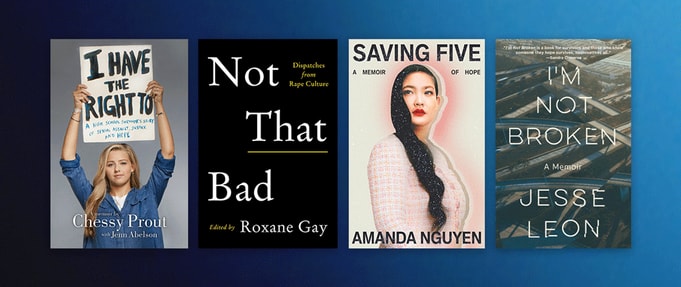

Sexual assault and rape have become shockingly common in our society. According to the Centers for Disease Control and Prevention (CDC), nearly 1 in 5 women in the U.S. are raped or sexually assaulted at some point in their lives—often by someone they know.
The trauma experienced in the aftermath can be devastating, and the process of healing is not linear. Survivors may experience a range of emotions, including shock, anger, grief, and depression. The most important thing for survivors to know is that you did nothing wrong—not one part of you asked for this.
With the #MeToo movement, and the more recent case of sexual assault at Cornell—spotlighting the reality of rape on college campuses—now is as good a time as ever to not only believe survivors, but advocate for them. One way to do that is to read their stories.
Across these seven books, survivors articulate the systems that let them down, what happened to them in the aftermath, and their journeys toward healing.
If you or someone you love has been sexually assaulted, consider calling the National Sexual Assault Hotline.
Saving Five
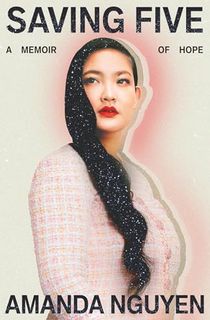
In 2013, Amanda Nguyen was raped at a Harvard fraternity party, and her life was changed forever. Born to Vietnamese refugees, Amanda had long dreamed of attending Harvard as a way out from a childhood full of turmoil.
But she was determined to not let her rape derail her plan, and decided to file the rape kit under Jane Doe, afraid it would ruin her dream of working at NASA after graduation. But she was shocked to learn she had only six months to act before the state of Massachusetts destroyed her kit.
She knew she could either surrender to an unjust law or make a change—not only for herself, but for other victims. Saving Five shares Nguyen’s journey to activism—where her efforts led to Congress’s unanimous passage of the Survivors’ Bill of Rights Act in 2016—while also serving as “a kind of guide through grief, which shows how every stage propelled Nguyen and served a purpose” (The Guardian).
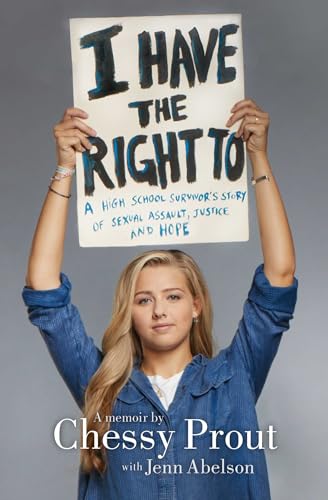
I Have the Right To
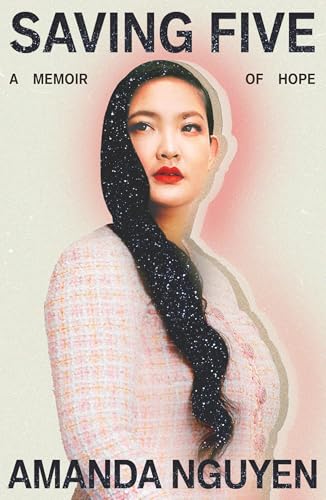
The numbers show that nearly one in five girls ages fourteen to seventeen have been sexually assaulted or are victims of attempted assault. In I Have the Right To, Chessy Prout shares her story as one of those girls.
In 2014, as a freshman at St. Paul’s School, a prestigious boarding school, Prout was assaulted by a senior boy. She courageously went to the police and testified against her rapist in court. Then, facing backlash from the school she thought would protect her, Prout decided to reveal her identity to the public in hopes of helping other survivors.
In this powerful account of a horrific event, Prout emerges as “a bold, new voice,” offering “a nuanced addition to the #MeToo conversation” (People; Vice). She works to upend rape culture, putting the spotlight on the systems that protect abusers and blame victims.
Missoula
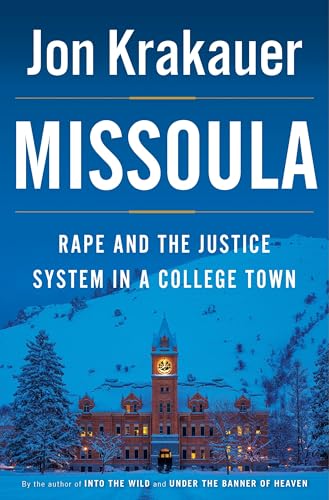
Missoula, Montana, is your average college town—complete with a lively social scene and a football team that is worshipped.
From January 2008 to May 2012, the Department of Justice investigated 350 sexual assaults reported to the Missoula police—almost none of which were properly handled by the university authorities. This, too, is typical.
In a DOJ report released in December of 2014, it was estimated that 110,000 women between the ages of eighteen and twenty-four are raped each year. Author Jon Krakaure embarks on “a substantive deep dive into the morass of campus sex crimes, where the victim is too often treated like the accused” (Entertainment Weekly).
Chronicling the experiences of several women, from the night they were raped to the emotional aftermath and their experiences with law enforcement, Missoula casts a horrifying light on the reality of being a young woman in a justice system that is so clearly broken.
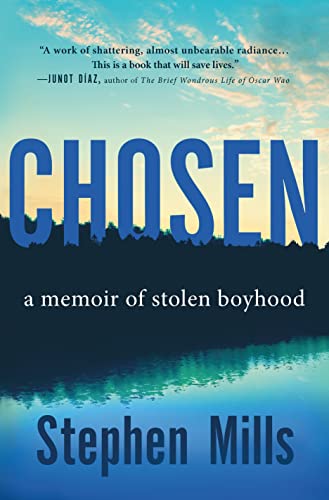
Chosen
At thirteen years old, Stephen Mills, whose father died when he was four, places his trust in the director of his Jewish summer camp, a social worker. He would go on to first groom, then molest Stephen for two years.
Growing up, he tells no one. But the abuse affects every aspect of Stephen adult life, including his self-loathing, drug abuse, petty crime, and terrible nightmares.
When he discovers his abuser is moving from camp to camp, using his authority to abuse other boys, Stephen makes the difficult decision to confront the truth, begin recovery, and hold those accountable who failed him and other children alike.

Know My Name
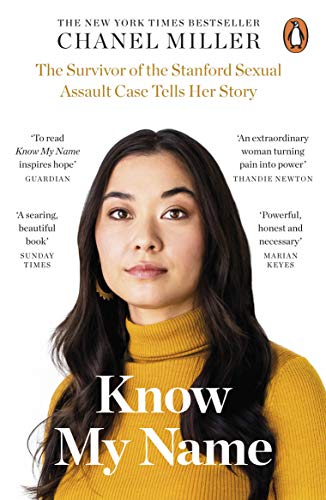
In an incredibly moving survival story, Chanel Miller recounts her experience being sexually assaulted on Stanford’s campus.
Although previously known to the world as Jane Doe from her viral impact statement on BuzzFeed, Miller “on every page, [...] unflattens herself, returning from Victim or Emily Doe to Chanel, a beloved daughter and sister [...] Know My Name marks the debut of a gifted young writer” (Jennifer Weiner, New York Times).
Her story demonstrates a cultural bias not to believe victims, in a criminal justice system that reinforces the narrative that, because of what they were wearing, they “asked for it.”
But Miller works to undermine such a view that protects perpetrators, while instead illuminating the courage it requires to continue under the weight of unfathomable trauma.
Not That Bad
Roxane Gay, “the lauded social critic and provocateur,” brings together “a diverse and unvarnished collection of personal essays reckoning with the experiences and systemic dysfunction that produced #MeToo” (O, the Oprah Magazine).
All from the first-person, writers like Gabrielle Union, Brandon Taylor, Lyz Lenz, and more tackle topics of rape, assault, and harassment in a world where women are routinely belittled, second-guessed, and bullied for speaking out.
Covering a wide range of issues, from the rape epidemic entrenched in the refugee crisis to deeply personal accounts of child molestation, “this is a devastating book, heartbreaking in how familiar and relatable each story is—yet there’s power and solidarity in it, too” (Shondaland).
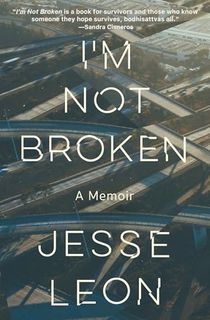
I'm Not Broken
Growing up with Indigenous working-class Mexican immigrants in San Diego during the 1970s, Jesse Leon’s childhood was violently ended after an encounter at a local gift shop left him with a harrowing secret.
He went on to numb his pain, however he could, assuming a hyper-masculine identity and turning to drugs, alcohol, and prostitution in the streets. Neglected by state-sanctioned institutions and systems, like many other low-income Latinos, Jesse spiraled before beginning the journey of fighting for his life.
From Narcotics Anonymous to mentoring incarcerated youth, and eventually to accepting his own sexual identity and studying at Harvard University, this is “a book for survivors and those who know someone they hope survives” (Sandra Cisneros, New York Times-bestselling author).
Featured image: Canva


