
 About
About Deals
Deals Articles
 Genres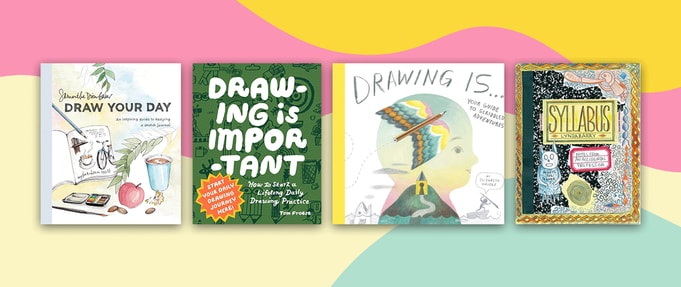

At some point in childhood, you may have received a critique of your art, which leads you to put away your drawing materials.
The good news is, it doesn’t have to be this way! Creativity is within all of us, and instilling a daily drawing practice can be relaxing and even meditative. The best part? We get to witness our creativity bloom before our eyes.
These 11 books vary in approach, but if they have one thing in common, it’s this: anyone can draw if they want to.
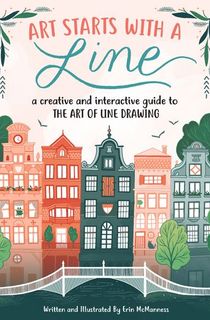
Art Starts with a Line

Illustrator Erin McManness has created a comprehensive guide for the intrepid beginner in Art Starts with a Line.
She includes a suggested supply list, drawing projects, suggested techniques, and prompts. This book is perfect for those getting comfortable with drawing or returning to their skills.
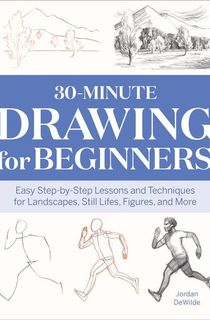
30-Minute Drawing for Beginners
30-Minute Drawing for Beginners is a true step-by-step guide. The exercises all build up your skill, and there is clear instruction as to how to move through drawing the subject.
Many of us can commit to 30 minutes a day to build a habit, and this instructional guide is a great jumping-off point.
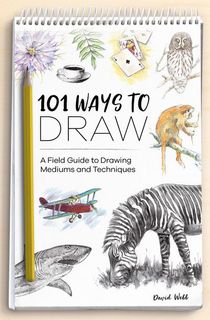
101 Ways to Draw
David Webb has created the ultimate go-to reference book for different art materials and techniques. 101 Ways to Draw is a great resource to have on hand.
Feel stuck in a rut, and overwhelmed with too many options? With this book, you could simply flip to a page and give whatever shows up a try. Along with this, a beginner could also work through the book from beginning to end and finish with a wide array of skills.
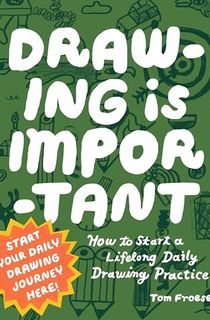
Drawing Is Important
Illustrator Tom Froese takes readers on a journey with the book Drawing is Important. Froese made a New Year’s resolution to build his daily drawing practice.
By drawing and sharing what he made, he found his creativity transformed. He decided to share this book to inspire others to start drawing daily.
He included advice and practices for the reader to try. Before you know it, you could be a daily drawer too!
Draw Your Day
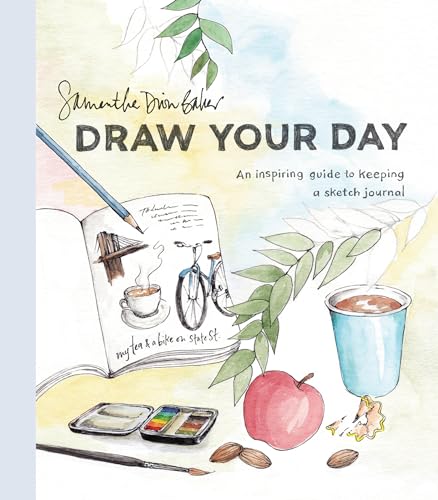
Samantha Dion Baker shares the beauty of drawing your daily life in a sketchbook journal in Draw Your Day.
Baker argues that creativity and drawing are for everyone. She encourages readers to draw whatever they do and what’s around them.
Through her own illustrations, prompts, exercises, and advice, she reminds readers that life is precious and deserves to be recorded.
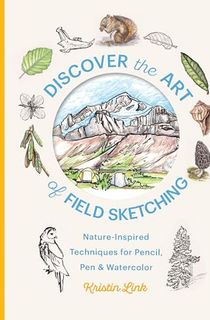
Discover the Art of Field Sketching
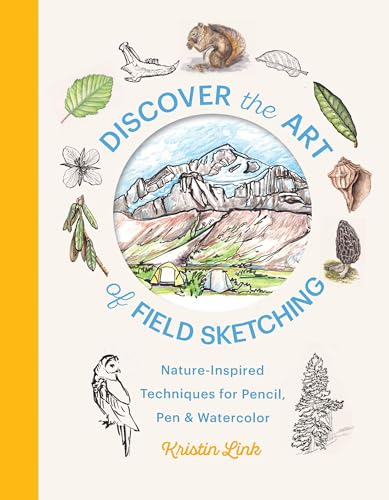
Kristin Link lives in Alaska and has been making art outside for years. She invites readers into her world with photos and instructions in the book Discover the Art of Field Sketching.
Link asks the reader to let go of any perfectionism. The approach is to learn to pay attention and to draw as a form of meditation.
This process is great, especially for anyone looking for more analog time and less screen time.
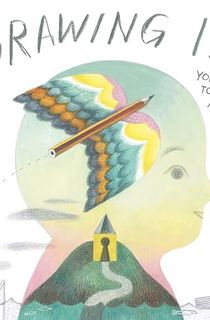
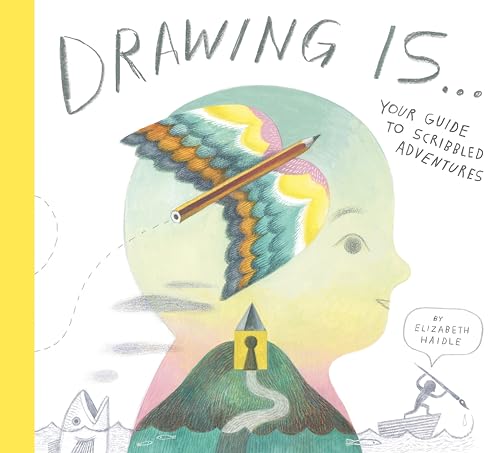
Drawing Is ...
This book is technically for ages 8-12, but it is straight-up imagination fuel, and that’s needed even more when you’re an adult.
Whether you plan to work through it, give it to your kids, or draw through it together, Drawing is by Elizabeth Haidle is a fun, illustrated guide to all the possibilities drawing offers.
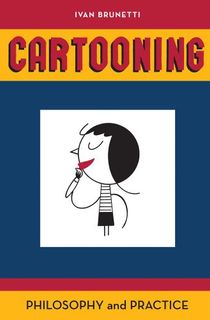
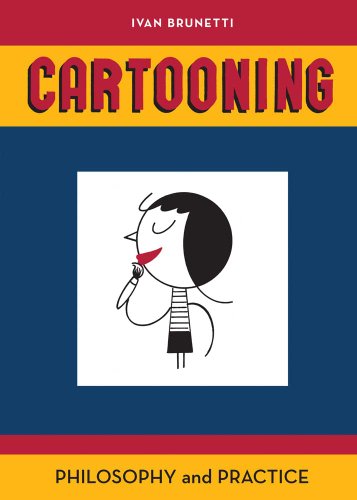
Cartooning
Ivan Brunetti has provided a crash course in cartooning in his book. While he does cover a lot of jargon and industry knowledge, the lessons and exercises are expansive and exciting, and they help bring out the storyteller in all of us.
Designed to be worked from beginning to end, the book will leave those who actually work it changed. The book Cartooning can help people feel like real artists. At the end of the day, that’s half the battle!
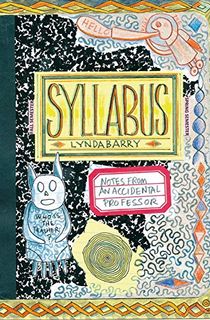
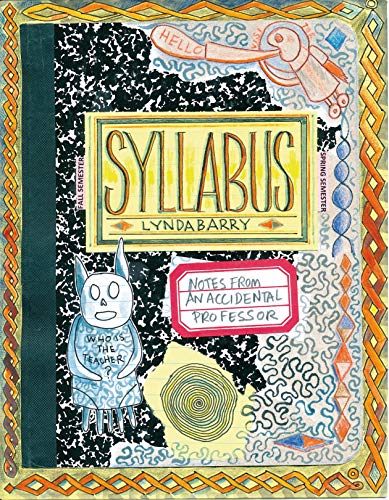
Syllabus
Lynda Barry’s books are hard to miss and even harder to forget. They come in a doodled-on, composition-notebook-style book, and the pages are filled with handwriting and illustrations.
It’s a joy to look at. In the book Syllabus, you’ll dive into the odd but fruitful exercises (both writing and drawing), and find that your creativity will unlock.
This is formatted from one of her classes, and while it may seem difficult to trust the process, it is worth it. Barry’s work is approachable and fun.
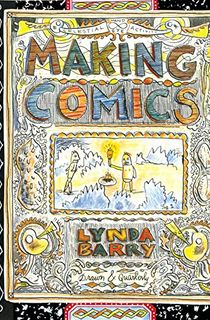
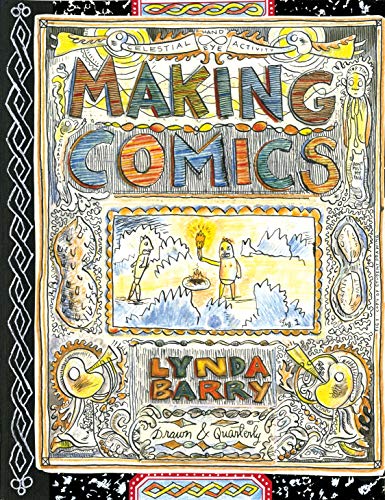
Making Comics
Making Comics is another fun read from Lynda Barry. This book focuses on exercises for making a comic. Barry emphasizes the importance of how the images work together in each panel to tell a cohesive story.
There are easy beginner exercises to get going. The process helps shed self-doubt and become comfortable using drawing to share stories.
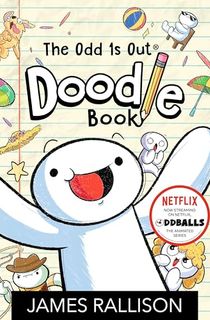
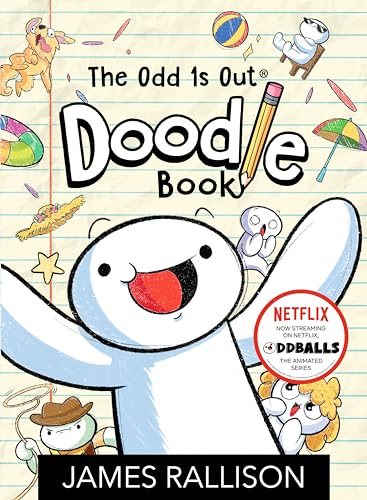
The Odd 1s Out Doodle Book
James Rallison, creator of The Odd 1s cartoons, offers us a fun guided sketchbook in their Doodle Book. The pages feel like Mad Libs. Because it’s almost game-like, there’s very little pressure.
There’s no focus on supplies or technical terms. The pages beckon to grab a pencil and draw. It’s great for anyone who deals with imposter syndrome and wants a low-energy practice that’s easy to get started.
Don’t be scared, no one has to see it! Besides, practice is practice.
Featured image: Canva


