
 About
About Deals
Deals Articles
 Genres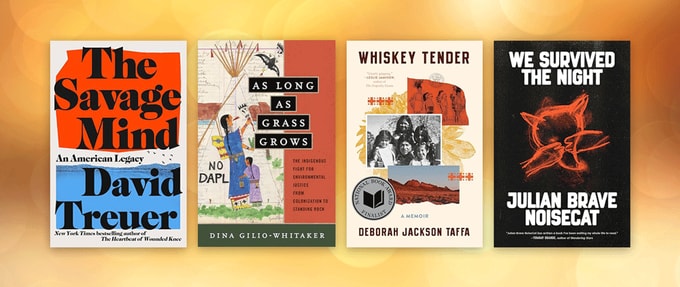

For too long, mainstream history failed to recognize Indigenous experiences. They were always there, but systematically erased—from the violent assimilation policies David Treuer traces in The Savage Mind to the residential schools Deborah Jackson Taffa weaves into Whiskey Tender.
It’s crucial we go beyond acknowledging Indigenous voices and learn from them and their ever-evolving wisdom, as offered in accounts like Robin Wall Kimmerer’s Braiding Sweetgrass. Meanwhile, deeply personal stories like Julian Brave NoiseCat’s We Survived the Night and Joy Harjo’s Crazy Brave speak to generational trauma, while spotlighting Indigenous resilience.
From historical analysis to memoir, these nine nonfiction books move through time, reclaim suppressed history, and show what it means to be Indigenous today.
The Savage Mind
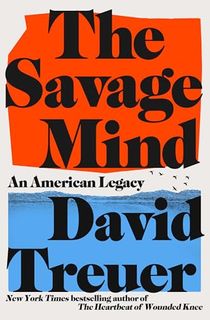
Following George Floyd’s murder and the January 6th Capitol attack, David Treuer decided to write a letter, attempting to make sense of what America had come to—the result is The Savage Mind.
Drawing on his upbringing on the Leech Lake reservation in Minnesota, and that of his parents, a Jewish Holocaust refugee and the first American Indigenous woman judge, Treuer seeks to confront the reality of frontier violence in which the nation was formed.
Still, the terror of the American frontier, that was initiated by white settlers, continues to define our way of life—whether or not we’re aware. A blend of memoir, history, and reportage, this, according to Pulitzer Prize and National Book Award-winning author Percival Everett, is “unlike anything I have read [...] this book will make a mark.”
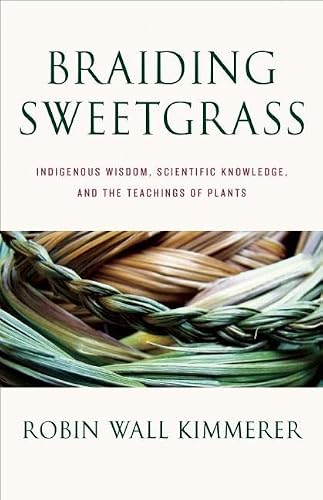
Braiding Sweetgrass
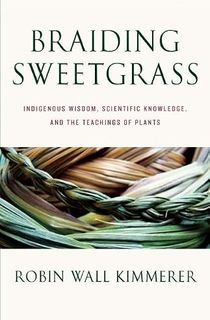
As an Indigenous scientist and woman, Robin Wall Kimmerer has always looked to nature for lessons. Tapping into each living being’s voice, from trees to squash and beyond, she reflects on the creation of Turtle Island, the forces that threaten the environment today, and beyond.
Above all, her stories and teachings center on the belief that to foster ecological consciousness, we must celebrate our reciprocal relationship with the rest of the living world.
What follows is “a journey that is every bit as mythic as it is scientific, as sacred as it is historical, as clever as it is wise” (Elizabeth Gilbert, #1 New York Times-bestselling author).
Unbroken
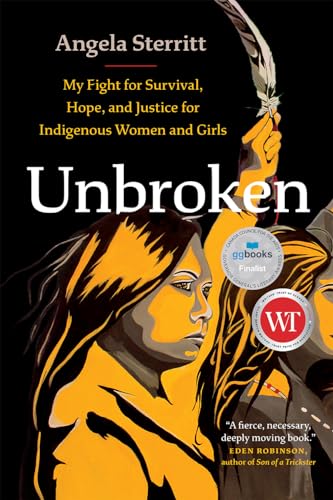
Growing up, navigating life on the streets, Angela Sterritt found solace in her journal. Today, an acclaimed journalist, she writes for major outlets and advocates for the overlooked experiences of Indigenous women and girls.
In this “remarkable life story,” Sterritt shares her own journey while investigating the missing and murdered Indigenous women cases across Canada, considering how colonialism has led to their being devalued and subsequently ignored in society (Cherie Dimaline, author of The Marrow Thieves).
We Survived the Night
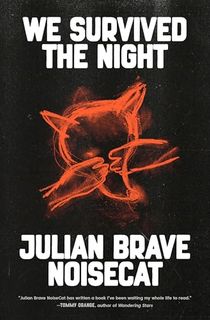
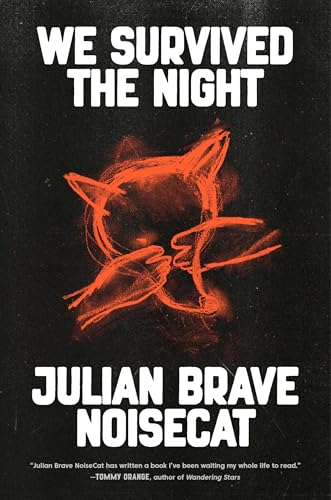
When his Secwépemc and St’at’imc father, an artist with a dark past, abandons his family, Julian Brave NoiseCat embarks on a five-year journey to explore the realities of contemporary Indigenous life.
Grappling with North America’s erasure of First Peoples’ experiences, as well as his deeply moving relationship with his father, “We Survived the Night is a book that holds a truly astonishing number of narratives, but they intertwine and connect to one another at every turn” (Alta Journal).

Crazy Brave
From the first Native American Poet Laureate of the United States, comes a “raw and honest” memoir, rooted in tribal myth, music, and poetry (Los Angeles Review of Books).
Raised in Oklahoma, she grew up around an abusive stepfather and learned how to retreat into her imagination and connection with nature. As she matures and finds her voice, Harjo learns that sometimes breaking apart is necessary to be reborn.

As Long as Grass Grows
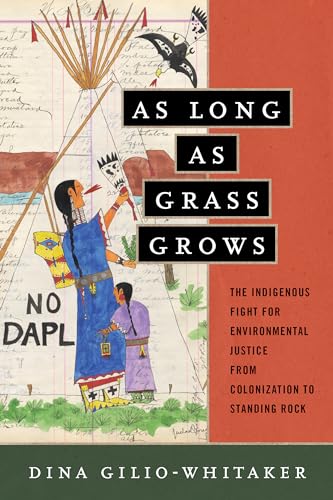
In As Long as Grass Grows, Indigenous researcher and activist “[Dina] Gilio-Whitaker takes the reader on a historical journey [...] [of] the United States’s continuing campaign to wipe tribal communities from the map” (Los Angeles Review of Books).
From the treaty violations to the protection of sacred sites, she offers a comprehensible history of Indigenous resistance, particularly the role Indigenous women have played in the struggle.
Although the 2016 Standing Rock protest cast a much-anticipated national spotlight on Indigenous activists, it showed how little Americans know about the tensions between Native people and the widespread environmental movement.
Overall, Gilio-Whitaker considers just how modern environmentalists can learn from Indigenous activism.
The Rediscovery of America
Winner of the 2023 National Book Award in Nonfiction, Ned Blackhawk reconsiders American history through the ever-present presence of Indigenous peoples.
Weaving five centuries of Native and non-Native histories, The Rediscovery of America demonstrates how “Indigenous peoples are often treated as largely incidental” in American history, while, in reality, “Native communities have, instead, been inseparable from the American story all along” (Washington Post Book World).

Whiskey Tender
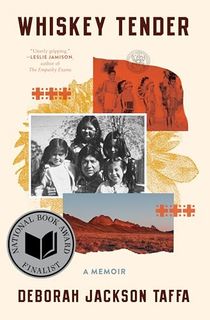
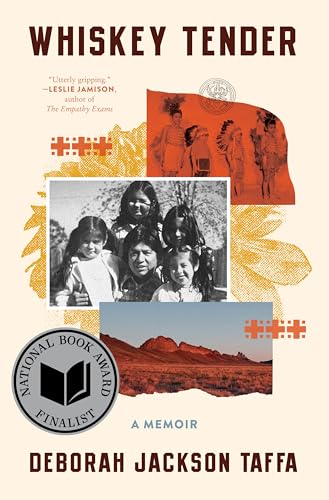
Growing up, Deborah Jackson Taffa learned that sacrifices were necessary in achieving a successful life. Her grandparents, descendants of the Quechan Nation and Laguna Pueblo tribe, were sent to boarding schools led by white missionaries, and her parents were told to take government jobs off the reservations.
Once an adult, she began to question the belief that to fit in American society, she must give up her culture and traditions. Coming to terms with her own identity, born on the California Yuma reservation and living in Navajo territory in New Mexico, her own reflections stretch into a historical analysis of the criminalization of Native men, the Red Power movement, and much more.
Ultimately, “It threads together so much truth by the time we are done, what has been woven together equals a kind of completeness from brokenness, and a hope from knowing love and loss and love again by naming it so” (Tommy Orange, award-winning author).
Our Knives Will Save Us
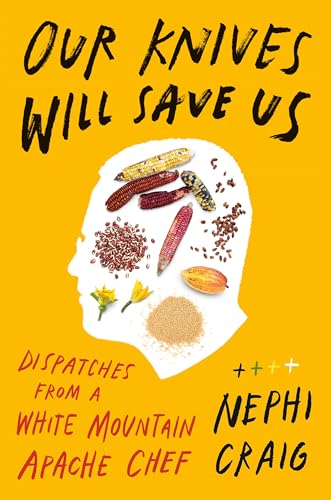
At only eighteen, Nephi Craig was facing a lengthy prison sentence after struggling with substance abuse through his teens. Instead, a judge ordered three years of probation, on the condition that he attend work or school.
He enrolled in a culinary arts program near the White Mountain Apache Tribe reservation where he grew up. Expecting little from the experience, Craig quickly grew a passion for cooking.
Featured image: Canva


