About
 Deals
 Articles
 Genres
Indigenous Peoples Month is an important time to celebrate the histories, cultures, and ongoing experiences of Indigenous peoples, and reading Indigenous poetry is an excellent way to do so.
Indigenous poets explore everything from ancestry and belonging to colonialism, environmental justice, love, loss, and resilience. Readers can engage with Indigenous narratives that have historically been overlooked or misrepresented, and learn about the rich traditions and knowledge shaping Indigenous identities today.
From established literary voices to emerging poets, these eight writers explore the many ways Indigenous experiences shape our shared world—to know and celebrate this month and beyond.
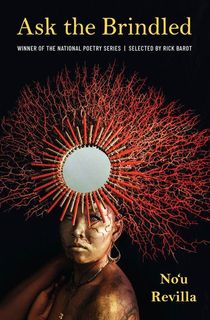
Ask the Brindled
Native Hawaiian poet Noʻu Revilla draws on ʻŌiwi culture and mythology to explore queer desire, sovereignty, and survival.
Moving between the history of the Kingdom of Hawaiʻi and contemporary experiences of love and grief, Revilla challenges colonial ideas about Indigenous bodies and relationships.
Selected by Rick Barot as a winner of the 2021 National Poetry Series, the connections between women and generations offer possibilities for healing without turning away from what has been lost.
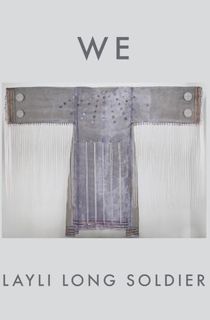
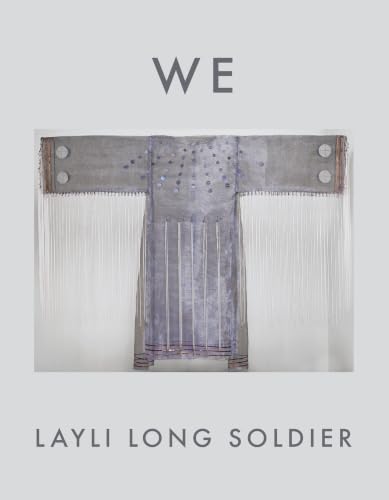
We
Not only is “we” the English pronoun of inclusion, but it is also “Wé,” the Lakota term for “blood.”
Author of the award-winning novel WHEREAS, Oglála Lakota poet and artist Layli Long Soldier brings together a groundbreaking collection of poems, lyric essays, and full-color visual artworks to explore community, kinship, language, and Indigenous history.
Longlisted for the 2026 National Book Award for poetry, We offers an opportunity to explore the many different ways art can be an active space for education and collaboration.
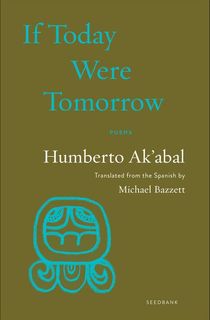
If Today Were Tomorrow
The landscapes of Momostenango, Guatemala, run through Humberto Ak’abal’s poetry, rooted in K’iche’ Maya culture. His work finds meaning in the world around him and invites readers to reconsider what they might otherwise overlook.
This bilingual collection pairs Ak’abal’s own Spanish versions of his K’iche’ poems with English translations to introduce a work that connects land, language, and attention.
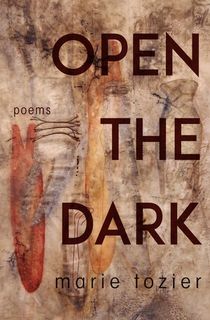
Open the Dark
This debut poetry collection from Iñupiaq poet Marie Tozier details the seasonal rhythms, traditions, and intergenerational knowledge passed from grandmothers and mothers to younger generations.
Tozier writes in a measured, contemplative register that addresses the impacts of colonization and assimilation and welcomes us into the vibrant scent and taste of Iñupiaq Alaska.
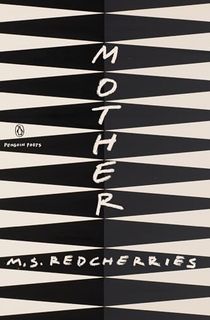
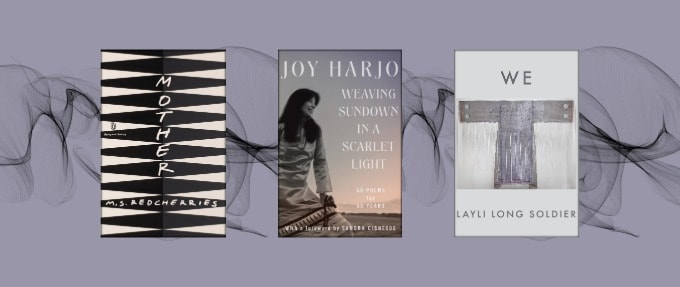
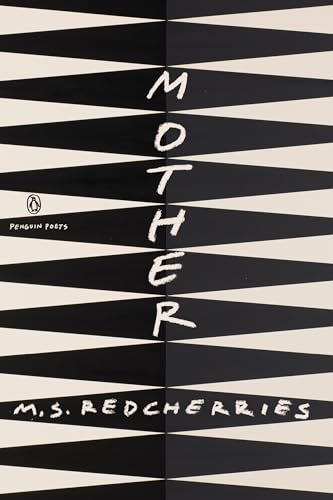
mother
An Indigenous child is adopted out of her tribe and raised by a non-Indigenous family. Years later, she begins trying to piece together the history and relationships she was separated from.
In mother, Northern Cheyenne writer m.s. RedCherries follows that search through poetry and prose and a shifting form that builds together oral histories, family stories, and imagined pasts and futures.
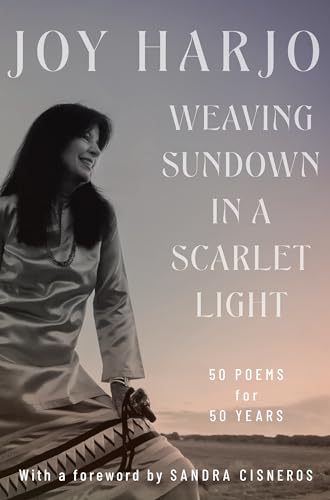
Weaving Sundown in a Scarlet Light: Fifty Poems for Fifty Years
For readers wondering where to begin with the first three-term Native American U.S. Poet Laureate Joy Harjo, this collection offers a journey through her fifty years as a poet.
Through fifty poems of love, motherhood, displacement, and resistance, Harjo begins with her discovering her voice early on and ends with impactful reflections on our contemporary moment.
Accompanying notes explore the poems’ origins and influences, from horse songs and jazz to the natural world as a member of the Mvskoke Nation.
How to Be a Good Savage and Other Poems

As the first and only woman to write and publish a book of Zoque-language poetry, Mikeas Sanchez explores the worldview of the Zoque people of southern Mexico and details their struggles against colonialism and empire.
Longlisted for the PEN Prize for Poetry in Translation, Sanchez gives us an enlightening collection of Zoque cosmology, feminism, and environmental activism.
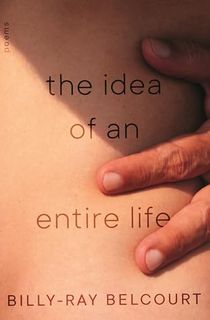
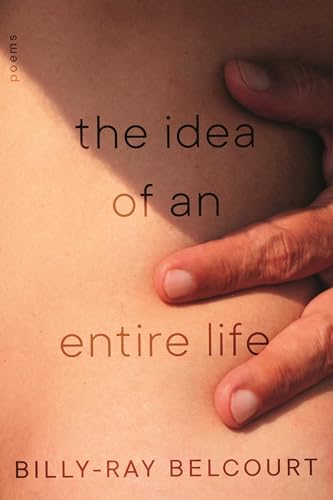
The Idea of an Entire Life
Driftpile Cree poet Billy-Ray Belcourt explores queer Indigenous life through lyric poems, sonnets, field notes, and fragments.
In The Idea of an Entire Life, love and anguish accompany reflections on historical violence and the possibility of a more flourishing world. Instead of separating intimate experiences from larger political questions, Belcourt considers how closely they're connected.