
 About
About Deals
Deals Articles
 Genres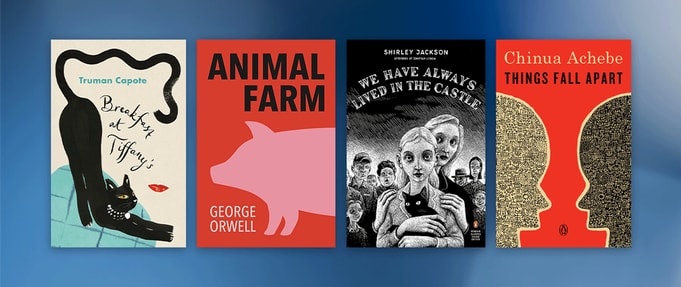

In the mood for a classic, but don’t have the time or the attention span to crack into some 500-page doorstop of a novel?
Not to worry. Plenty of important, incandescent, and unforgettable books have clocked in at under 200 pages and can easily be read in an afternoon or two.
But we have to warn you: you’ll probably be thinking about them long afterward…
The Great Gatsby
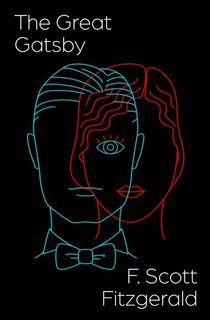
Sure, everybody’s familiar with The Great Gatsby. Many of us probably remember not enjoying it because we had to read it in school, but F. Scott Fitzgerald’s tale of the Jazz Age is a classic for a reason.
It’s also shorter than it might have felt if you were forced to read it in class. Clocking in at under 200 pages in most editions, the story of Jay Gatsby, Nick Carraway, and Daisy Buchanan is one that you can probably read in a lazy afternoon while sipping martinis.
Of Mice and Men
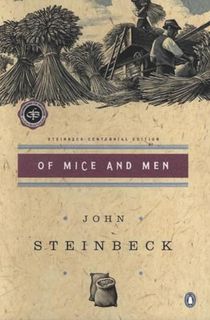
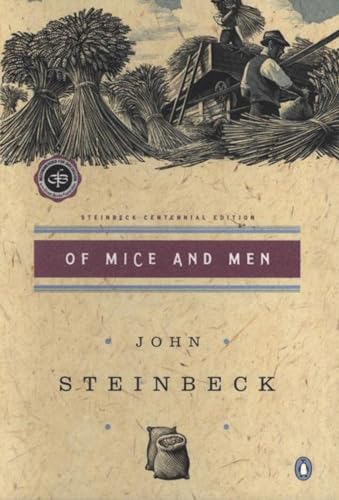
Speaking of books that we all read in school, Of Mice and Men is most people’s introduction to Nobel and Pulitzer Prize-winning novelist John Steinbeck.
Before graduating to longer works such as The Grapes of Wrath, Cannery Row, or even the sprawling East of Eden, which clocks in at around 600 pages, enjoy one of Steinbeck’s shortest works.
Compared to those, this tragic novella of migrant workers George and Lennie is a relatively breezy—if heartfelt—read, at only a little over 100 pages in most editions.
Animal Farm
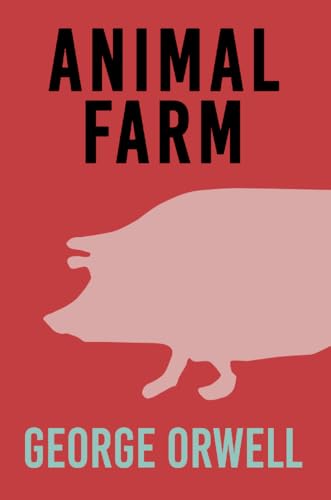
Without this book, writes LitHub, “how would future little children of America learn what an allegory is?”
At just over 100 pages, Animal Farm is an ideal length for assigning in classrooms, which means that, once again, many of us encountered George Orwell’s classic political allegory in school.
Originally written about the Russian Revolution and the Stalinist era of the Soviet Union, Animal Farm has proven an enduring enough fable to be applied to all sorts of political moments and movements since its original publication in 1945.
The Postman Always Rings Twice
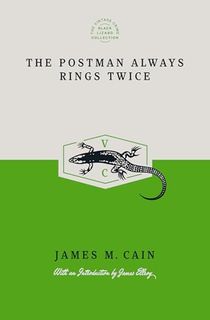
Here’s one you probably didn’t read in school.
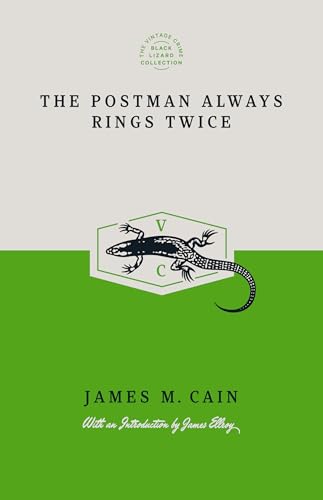
However, you’re likely familiar with James M. Cain’s crime classic thanks to the legendary 1946 film noir adaptation starring Lana Turner and John Garfield—or maybe even the somewhat less legendary 1981 remake starring Jessica Lange and Jack Nicholson.
Even if you’ve seen the movie, though, the novel of a scorching and ultimately deadly love affair in Southern California is well worth reading, especially at just over 100 pages.
We Have Always Lived in the Castle
Even Shirley Jackson’s magnum opus The Haunting of Hill House is only about 250 pages, give or take, but its almost-as-beloved younger sibling is even shorter.
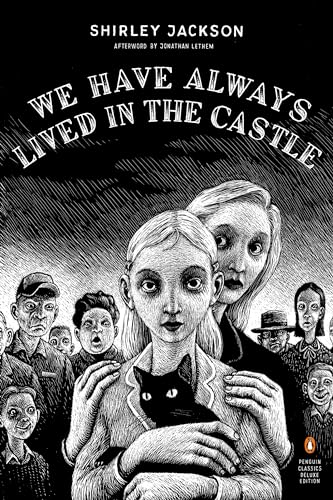
Clocking in at only around 150 pages, We Have Always Lived in the Castle tells the story of Mary Katherine “Merricat” Blackwood, her odd family and the tragedy that befell them, and the hostility of the nearby villagers.
Like its older sibling, We Have Always Lived in the Castle begins with one of the most dynamite opening paragraphs in literary history, and just keeps going from there.
The Time Machine
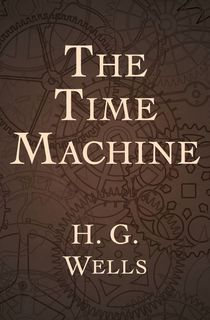
Even if you haven’t read H. G. Wells’s classic 1895 time travel novel—or seen the great George Pal movie version from 1960—you know at least a little bit about the story of The Time Machine.
Its central parable about Eloi and Morlocks has entered the public consciousness so thoroughly that it gets repeated and repurposed in everything from comic books to Dungeons & Dragons to political discourse.
Fortunately, it’s also a cracking good read and, at around 110 pages, a surprisingly quick one!

The Old Man and the Sea
In less than a hundred pages, Ernest Hemingway conjured a “perfectly crafted” story that won him the Nobel Prize (Candid Cover).
Surprisingly simple but achingly human, The Old Man and the Sea is the fish story to end all fish stories, telling the tale of Santiago, an old fisherman whose long streak of bad luck seems to be broken when he hooks a massive marlin bigger than his boat.
Of course, hooking such a fish and actually bringing it home are two very different things, as Santiago finds out in one of Hemingway’s most beloved books.

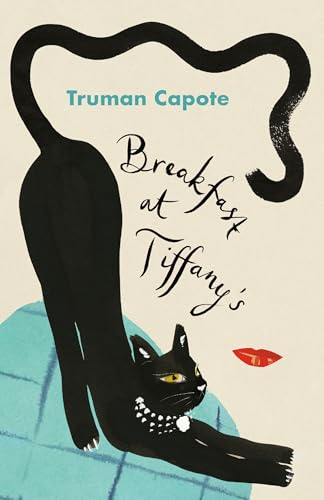
Breakfast at Tiffany's
These days, Truman Capote is probably more famous for his obsessive crime chronicle In Cold Blood. That book clocks in at over 300 pages, though.
Breakfast at Tiffany’s is much shorter and is every bit as important to American letters as its grimmer counterpart.
For those who are only familiar with Holly Golightly from the 1961 Blake Edwards film, where she’s played unforgettably by Audrey Hepburn, you haven’t really met her until you’ve read the original book, which will feel at once very familiar and dizzyingly different.
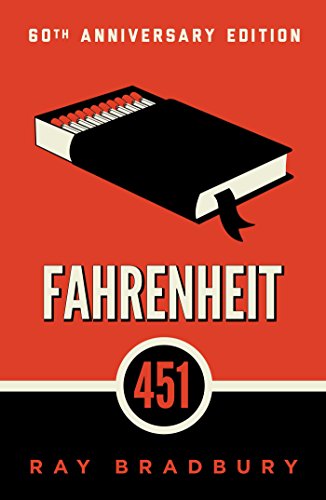
Fahrenheit 451
Few dystopian novels get referenced more often these days than Ray Bradbury’s classic about firemen who burn books rather than putting out fires.
While it may have been written about the rise of television and the threat of McCarthyism—it was first published in 1953—it often feels weirdly prescient when read today
Its tale of the enduring power of literature, even in the face of the most oppressive social and political pressures, still resonates with readers of all ages.
Plus, you can read it in a day or two—Bradbury himself allegedly wrote the whole thing in around eighteen days.
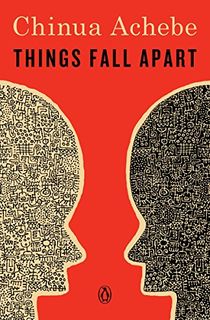
Things Fall Apart
Regarded as a milestone in African literature, Things Fall Apart was the literary debut of Nigerian writer Chinua Achebe, who wrote it while working at the Nigerian Broadcasting Corporation.
At only around 150 pages, it nonetheless became one of the most important books of the modern world, and one of the most translated books ever published.
Early in the 21st century, Time magazine placed it on a list of the “100 Best English-language Novels from 1923 to 2005,” and more than half a century after its original publication, it remains a vibrant and vital work.
Featured image: Canva


