
 About
About Deals
Deals Articles
 Genres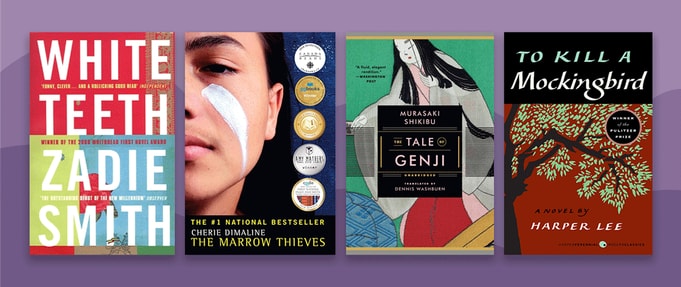

Throughout time, women have fought to carve out spaces for themselves—especially when for much of history they were considered “the second sex,” as put by French philospher Simon de Beavour.
For Women’s History Month, we’ve put together a list that acknowledges the remarkable contributions women have made to literature, particularly at times when such was not the norm.
When considering womanhood, it would be fruitless not to identify the analytical framework of intersectionality, coined by Kimberlé Crenshaw, which considers how different social identities—such as race, gender, class, and sexuality—overlap, creating distinct experiences of both discrimination and privilege. That is why there are four waves in feminism: the first two were primarily focused on liberating white, middle-class women.
With all that being said, there is not just one way to be a woman. Often a mix of complex and contradictory, the patriarchy is a real, historical, and ongoing system that women routinely come up against—whether in terms of economic disparity or bodily autonomy.
But perhaps now more than ever, there are women, from every walk of life, confronting and surmounting these very power structures—showing what is possible for younger generations. That is not to say there aren't daily, frightening setbacks, but that women, as a result of having to work harder to be understood throughout history, are resilient, powerful beings.
There are always going to be people who try to define what a woman’s place in the world is—a sentiment that the women on this list know all too well. And yet, they pushed forth, working against the status quo, to deliver transcendent art that we continue to find meaning and strength in today.
Beginning with the earliest and moving to the most recent publication, this list highlights groundbreaking, iconic works that helped shape the feminine canon, spanning premodern literature to contemporary classics.
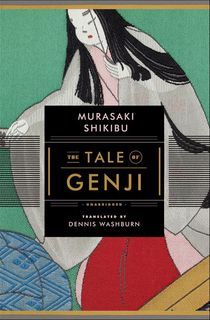
The Tale of Genji
Widely considered to be the world’s first novel, Murasaki Shikibu wrote The Tale of Genji at the beginning of the eleventh century.
Drawing on her experience as a lady-in-waiting at the Imperial court in the Heian period, the novel follows the life of the emperor's son, Hikaru Genji, as he navigates love and courtly rule.
Spanning 54 chapters and over 1,000 pages, Shikibu offers a detailed portrayal of societal structures and expectations, as a piece of Japanese history, and a triumph of world literature.
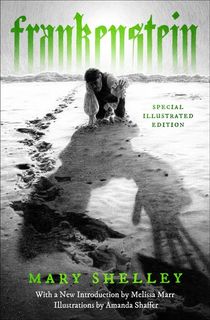
Frankenstein
Particularly after the Netflix adaptation that came out last year, few have not encountered the landmark that is Frankenstein. At only 18, Mary Shelley conceived of the plot of the story during a rainy night, sharing ghost stories with her husband, Percy Shelley, and Lord Byron.
The novel was then published anonymously in London on January 1, 1818, when she was 20. At the time, Shelley was a teenage mother, navigating her own tragedies, including the loss of her first child. These circumstances and more can be seen in Frankenstein, and as such, much literary scholarship has been produced on topics central to the novel, including grief, revenge, scientific conquest, morality, and more.
Considered to be the first true science fiction novel, follow the scientist Victor Frankenstein and his unholy creation, from Switzerland to the North Pole, and find out why people keep returning to this epic after nearly two centuries.
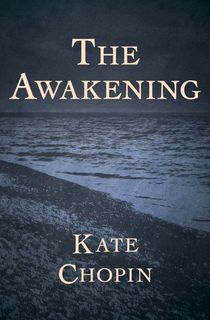
The Awakening
Upon its release in 1899, The Awakening was censored and removed from libraries, primarily for its "immoral" depiction of female sexuality—in other words, for depicting a woman’s pursuit of independence.
Today, recognized as central to American feminist literature, the protagonist Edna Pontellier defies 19th-century societal expectations by leaving her family to seek personal fulfillment.
Grappling with the life she’s expected to lead, and the one she desires to explore, Edna has multiple romantic and sexual affairs, coming to a shocking final decision.
To Kill a Mockingbird
The Pulitzer Prize-winning To Kill a Mockingbird is a novel many encountered in their youth—and continues to be taught widely in high schools across America.
Translated into more than forty languages, selling more than forty million copies worldwide, and adapted into a successful motion picture, the novel is undoubtedly one of the most celebrated in history.
Altogether heartwrenching and moving, Harper Lee tells the story of bitter prejudice in the South, from the perspective of a young girl, as she watches her lawyer father defend a wrongfully accused black man.

The Color Purple

Both a National Book Award and Pulitzer Prize winner, The Color Purple has been cherished across time and form, having been adapted into film twice and a musical.
Following the lives of African American women in early twentieth-century rural Georgia, the story was groundbreaking for its addressing of sexual abuse, domestic violence, and same-sex relationships.
As put by Women’s Prize-winning author Tayari Jones, “reading The Color Purple was the first time I had seen Southern, Black women’s literature as world literature.”
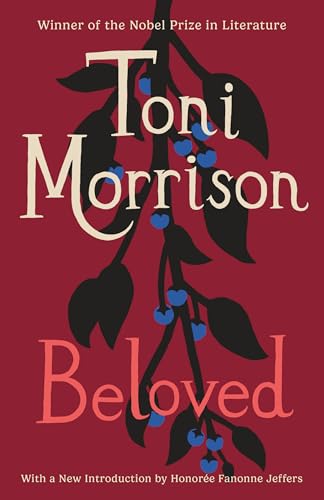
Beloved
Nobel Prize laureate Toni Morrison was a seminal author in centering the Black American experience, particularly that of women.
Moving beyond what has come to be known as the “white gaze,” her work helped up a mirror to reflect American society, considering racism, slavery’s legacy, and social injustice.
Winner of the Pulitzer Prize, Beloved follows Sethe, who was born into slavery and escaped to Ohio. Although eighteen years have passed, she is still not free and is haunted by memories of her old home and the ghost of her baby.
White Teeth
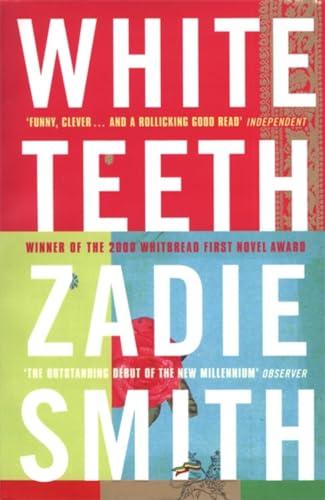
Even before her debut, White Teeth, the literary world was talking about Zadie Smith. At only 21, Smith’s agent sent out her only partial manuscript to publishers, and a massive bidding war ensued.
This frenzy is legendary in the publishing world, not only for its rarity, but for its establishment of a massive literary talent—and perhaps when you read White Teeth, you’ll find out why.
A sprawling, multi-generational story, White Teeth follows two families in London: the English Joneses and the Bangladeshi Iqbals, who become united by the unlikely friendship between WWII veterans Archie Jones and Samad Iqbal.
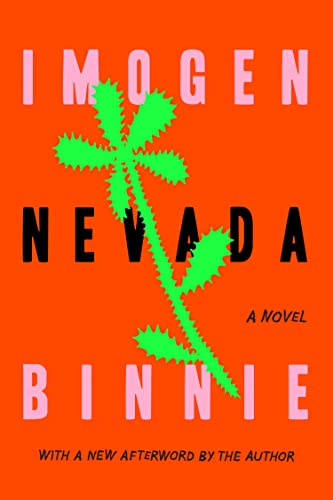
Nevada
Often considered to be the first modern cult classic of transgender fiction by a transgender woman, Nevada is groundbreaking in many ways.
Published by the indie LGBTQ press Topside Press, which helped nurture early trans authors, the novel was essential to bringing transgender voices to the forefront. A beloved tradition of American literature, Nevada offers a different and welcome take on the road-trip novel.
When Maria Griffiths, a transwoman, has a devastating breakup with her girlfriend, Steph, she ends up driving to Star City, Nevada. There, she meets James, who reminds her of a younger version of herself, struggling with identity.
The Marrow Thieves
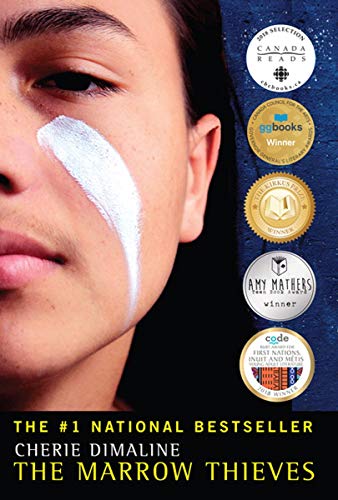
Member of Georgian Bay Métis Council of the Métis Nation of Ontario, Cherie Dimaline’s YA breakthrough, The Marrow Thieves, brought her international acclaim. Set in a futuristic world in which climate change has ravaged the landscape, the effects of dreamlessness are taking hold.
The only people who are still able to dream are North America's Indigenous people, and the rest of the world turns to them for the cure in their marrow. But to get the marrow means hunting the unwilling donors.
Following a young boy and his companions, The Marrow Thieves is a devastating portrayal of the continued colonial exploitation of Indigenous peoples.
Featured image: Canva


