
 About
About Deals
Deals Articles
 Genres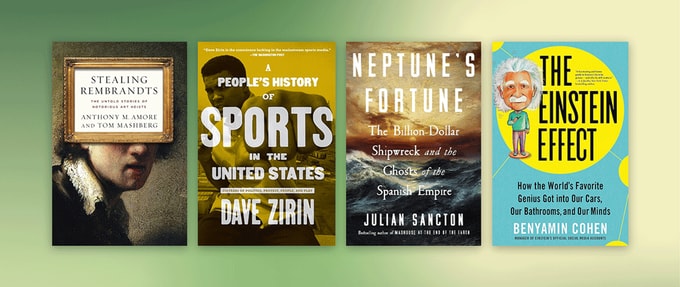

A billion-dollar shipwreck. A notorious art heist. A revolution that changed the course of history. The past is filled with stories as dramatic as any novel, and these books bring them vividly to life.
Spanning politics, science, sports, warfare, and social change, these eight history books explore the people, ideas, and events that shaped the modern world. Whether you're interested in American conservatism, Albert Einstein, women's history, or the Russian Revolution, there's something here for every history lover.
These eight history books offer not only insight into the past but a deeper connection to the people and events behind it.
This list fulfills a prompt in our 2026 Summer Reading Challenge! Learn more and join here.
Fusionism: Liberty, Virtue, and the Future of the American Right
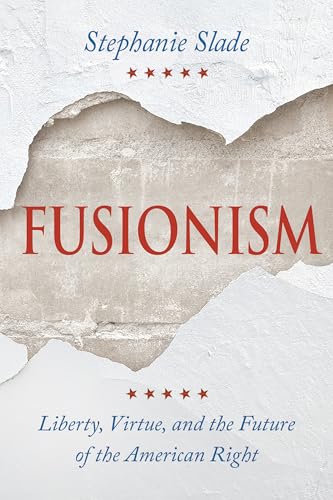
In the years following World War II, fusionism, a philosophy that united the Judeo-Christian tradition with a classical liberal defense of individual freedom, became a defining force in American conservatism. In Fusionism: Liberty, Virtue, and the Future of the American Right, Stephanie Slade argues that many conservatives have since embraced anti-fusionist approaches that depart from those original principles.
Combining intellectual history with contemporary political analysis, Slade argues that fusionism is not a lost philosophy but remains essential to preserving a free and virtuous society.
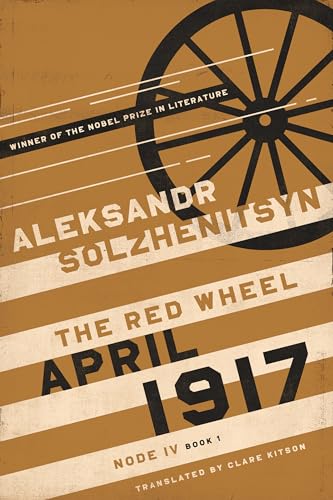
April 1917: The Red Wheel, Node IV, Book 1 (The Center for Ethics and Culture Solzhenitsyn Series)
One of the masterpieces of world literature, The Red Wheel is Nobel Prize winner Aleksandr Solzhenitsyn’s multivolume epic about the Russian Revolution told through a historical novel.
In April 1917, Solzhenitsyn chronicles the growing divisions within Russia’s revolutionary government as Bolshevik leader Vladimir Lenin returns from exile and pushes the nation toward Bolshevik rule. Set during a pivotal few weeks of political upheaval, the novel captures the chaos, conflict, and decisions that would shape Russia's future and lead to civil war.
Stealing Rembrandts
Anthony M. Amore and Tom Mashberg's Stealing Rembrandts is a fascinating investigation into the high-stakes world of art theft. Focusing on some of the most notorious Rembrandt heists of the last century, the authors trace daring museum thefts, elusive criminals, and the efforts to recover priceless masterpieces.
From Stockholm to Boston, the book explores the black market for stolen art and the extraordinary lengths thieves, collectors, and investigators will go to in pursuit of some of the world's greatest treasures.
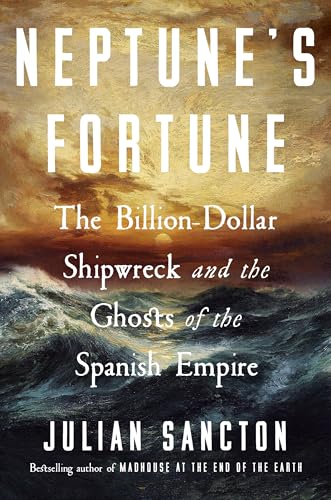
Neptune's Fortune: The Billion-Dollar Shipwreck and the Ghosts of the Spanish Empire
The riveting true story of a legendary Spanish galleon that sank off the coast of Colombia with more than $1 billion in gold and silver, and one man’s decades-long quest to find it.
Combining maritime history, treasure hunting, and eighteenth-century geopolitics, the book follows the search for one of history’s most valuable shipwrecks and the mysteries that have long surrounded it.
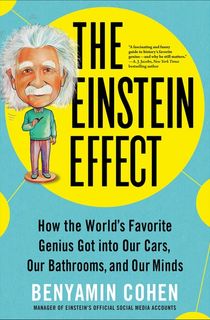
The Einstein Effect
In The Einstein Effect, award-winning journalist Benyamin Cohen explores how Albert Einstein's influence continues to shape our everyday lives, decades after his death. From GPS and weather forecasting to popular culture and social media, Cohen traces the enduring legacy of the world's most recognizable scientist.
Along the way, he embarks on a globe-spanning quest that includes meeting Einstein descendants, speaking with scientists and celebrities, and even tracking down Einstein's stolen brain, offering a fascinating and often humorous look at the world's favorite genius.

A People's History of Sports in the United States

Sports have long reflected the triumphs, tensions, and transformations of American society. In A People's History of Sports in the United States, Dave Zirin presents a rollicking, myth-busting look at 250 years of athletics, politics, and social change.
From pioneering Black athletes to overlooked moments of protest and activism, Zirin reveals the surprising connections between sports, politics, and American history.
Through these stories, he argues that sports are not merely games, but a reflection of the social and political forces that have shaped the nation.
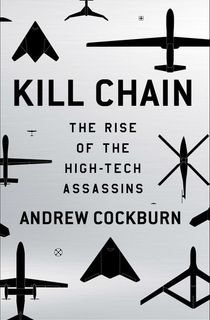
Kill Chain
In Kill Chain, Andrew Cockburn investigates the rise of drone warfare and how targeted killing became a defining feature of modern conflict.
Drawing on sources within the military and intelligence communities, he traces the secret programs, technological breakthroughs, and powerful interests that helped shape assassination by remote control.
Blending military history with investigative reporting, the book examines the real-world consequences of drone warfare and challenges the many assumptions about its effectiveness.
Featured image: Canva


