
 About
About Deals
Deals Articles
 Genres

Diving into translated works of fiction is a great way to read beyond one’s comfort zone, learn about different cultures, and be up-to-date with the latest trends in world literature. Some of the most exciting, inventive, and political books are published in languages that are not English—and translations are the only way to access the good stuff.
Moreover, if you’re keen to read an author belonging to a different nationality or community, checking out a collection of their short fiction first is a great way to get a sense of their writing style, themes, and creative vision.
Thus, translated works not only expand one’s reading horizons and encourage cultural dialogue, but also help us understand each other more deeply, highlighting the sheer diversity of voices out there.
Finally, short story anthologies are pretty easy to dip in and out of—you can easily read one or two stories in a day, finish a book in two weeks, and meet your reading goals for the month. From classics to contemporary reads, we bring you a selection of the best and boldest short fiction collections translated into the English language for your perusal!
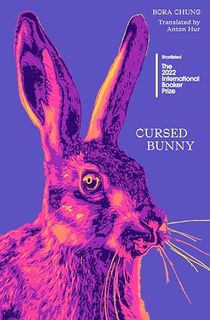
Cursed Bunny
Translated by Anton Hur, South Korean writer Bora Chung's Cursed Bunny swiftly moves between the genres of sci-fi, fantasy, and horror to tell eerie stories about patriarchy, capitalism, and modernity, often with a surreal twist.
The opening horror story “The Head” follows the miseries of a woman tortured by the appearance of a head that refuses to be flushed down the toilet. Another tale, “The Embodiment,” tackles the horrors of menstruation and anxieties around unplanned pregnancies—and the way the patriarchy systemically supports the usage of women’s bodies for reproductive labor.
The titular story delves into intergenerational curses and feuds and is told rather chillingly. Overall, an unsettling and memorable collection.

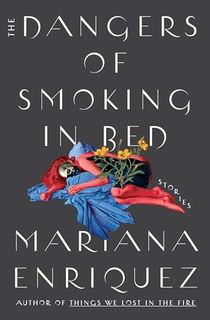
The Dangers of Smoking in Bed
One of the most talented voices working in horror today, Mariana Enriquez is a Latin American writer famous for her novel Our Share of Night, three short story collections, and one work of non-fiction, all presently available in English.
Her prose dives deep into Argentinian socio-politics and how women’s lives are unfairly impacted by the state and other unjust systems, and is always accompanied by a speculative element.
Disturbing and haunting, the stories in The Dangers of Smoking in Bed (translated by Megan McDowell) offer an excellent introduction to her unique voice and will hopefully encourage you to devour her other books as well.
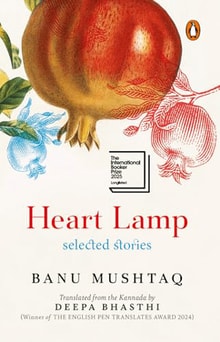
Heart Lamp
The winner of the International Booker Prize, the vividly empathetic stories in Heart Lamp were originally written in Kannada and translated into English by Deepa Bhasthi. The tales revolve around the lives of impoverished Muslim women, impacted by familial, religious, and state-sponsored violence.
Struggling against gender roles, societal expectations, and travails of poverty, the characters in Heart Lamp must carve their own destinies in a seemingly unequal world and relish the small moments of peace and joy in mundanity.
Deeply affecting and vibrantly reflecting regional customs, Heart Lamp is a mesmerizing and magical read.

Strange Tales from a Chinese Studio
If you’re interested in Classical Chinese literature, Pu Songling’s Strange Tales from a Chinese Studio is a great place to start. The Penguin edition translated by John Minford is readily available—and the one I read from cover to cover when I found a copy in the college library.
The stories here blur the line between the real and the supernatural and feature a curious interplay of folklore, horror and fabulism. Many of the stories are quite playful, abounding in wordplay and wisdom but too dark to be considered children’s fairytales.
Filled with strange encounters, Pu Songling’s tales nevertheless feel familiar, despite being written several centuries ago.

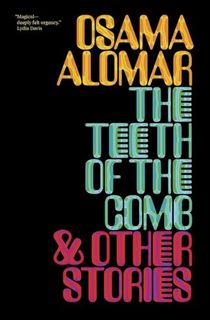
The Teeth of the Comb & Other Stories
Finally, an extremely short and slim read, The Teeth of the Comb & Other Stories by Syrian refugee Osama Alomar, was written in Arabic and translated into English by the author’s friend, C.J. Collins.
Many of the stories here are extremely brief—some are just a few sentences—yet they cast a powerful spell on the reader. You can probably finish it in a single sitting, but you’ll likely come back for multiple rereads.
From imagining the inner lives of animals and birds to commenting on political tyranny and exile, these parables showcase Alomar’s careful observation of nature and experiences with political strife, all in just a few words.
Simply put, it’s a brilliant feat of the imagination that definitely needs more readers.
Featured image: Canva


