
 About
 Deals
 Articles
 Genres
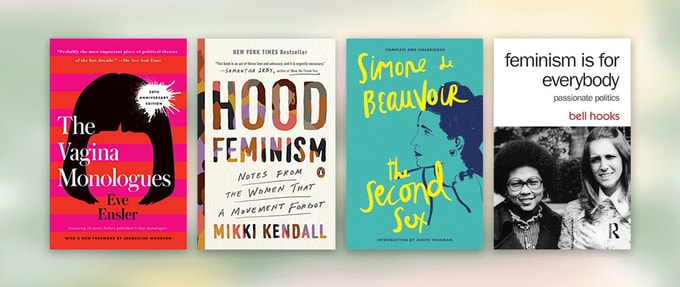

The struggle for women’s rights is a tremendous battle that is far from over. Whether it’s the right to vote, pursue education, or make decisions about one’s body, the systemic forces of patriarchy have always found ways to deny women their rights.
Even in this day and age, women do not occupy an equal position in society as men. Thus, feminist theory has been essential in breaking down gender roles and making the world a safer space for everybody.
Moreover, the struggles of all women aren’t the same and are heavily impacted by race, class, caste, financial and cultural capital, and other factors.
Later eras of feminist scholarship have therefore advocated intersectionality, a framework developed by American legal scholar Kimberlé Crenshaw, to understand women’s issues while also building solidarity networks with other social movements.
From the historical origins of modern feminist thought and the suffrage era to the unique struggles faced by women of color, to the #MeToo movement and the battle for women’s autonomy, these books will provide a crash course on feminism—right from the first wave to the contemporary era of post-feminism.

A Vindication of the Rights of Woman
Published in 1792, Mary Wollstonecraft’s long philosophical essay is often regarded as a proto-feminist work and is essential reading for historians of feminism.
It argues for women’s right to an education, stressing that women are not naturally inferior to men and play an essential role in child-rearing and tutoring the next generation.
It emphasizes that women deserve far more than to serve an ornamental function in society. Angry yet cogent, Wollstonecraft’s text is immensely readable with far-reaching impact.

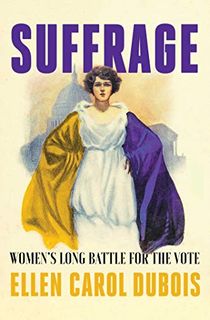
Suffrage
Despite women making up half the population, they were denied the right to vote or take part in the functioning of a democracy.
Ellen Carol DuBois’s meticulously researched book explores women’s long battle for the right to vote and brings the Suffrage era to life, right from the pre-Civil War years to 1920 and beyond.
In particular, DuBois highlights the pivotal role African American women, such as Sojourner Truth and others, played in securing American democracy.
The Second Sex
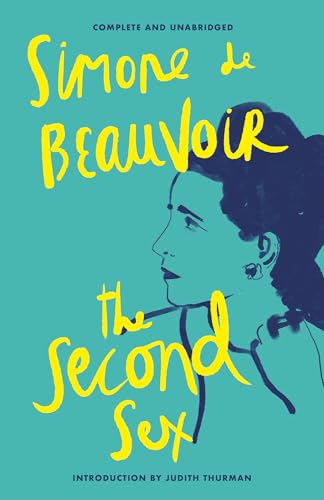
French philosopher Simone de Beauvoir’s The Second Sex dives deep into how women have been treated not only in present society but throughout history, and carefully argues that men have been the historical “default” and women the “other.”
It’s a riveting account that explores the differences between men and women and how that has resulted in severely unequal gender relations and extreme inequality.
The Feminine Mystique
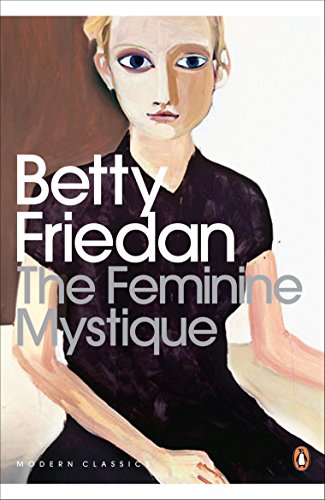
Betty Friedan’s book, published in 1963, helped usher in the second wave of feminism and was initially prompted by a survey that revealed most of her classmates-turned-housewives were deeply unhappy with their lives.
Using statistics and interviews, Friedan highlighted the various ways women were discriminated against in society.
While the book played a critical role in inspiring many middle-class white women to become feminists, its focus on the struggles only faced by the same demographic drew criticism.
Feminism Is for Everybody
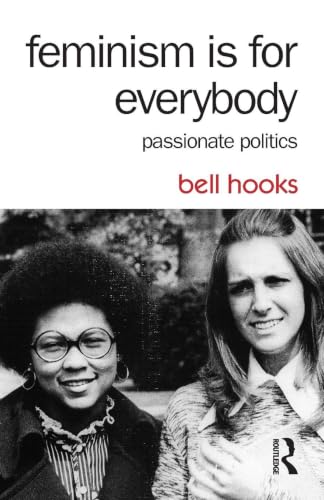
In this lucid, thought-provoking book, bell hooks argues that feminism isn’t just for women, but an essential way of thinking to transform the world into a safer, more inclusive space for all.
She argues that feminist theory needs to be more accessible and that mutual respect and empathy are essential for any community to stay strong, advocating for intersectionality.
Overall, a short, straightforward, and brilliant text.
The Vagina Monologues
Women’s sexuality and reproductive rights have always been a contentious issue and remain hotly debated to this day.
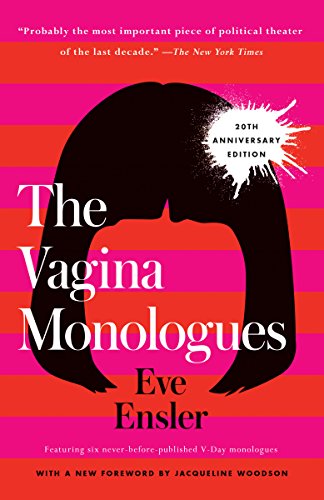
Written in 1996, V’s play, The Vagina Monologues, explored women’s sexuality from a variety of perspectives—depicting experiences of rape, genital mutilation, sexual harassment, alongside “taboo” topics of menstruation, prostitution, and more, thereby bringing the inner lives and daily struggles of women to the forefront.
Several of the monologues are particularly poignant and hard-hitting, making for a highly emotional watch/read.
Since then, the play has been adapted and performed in several countries, continuing to spark important conversations.
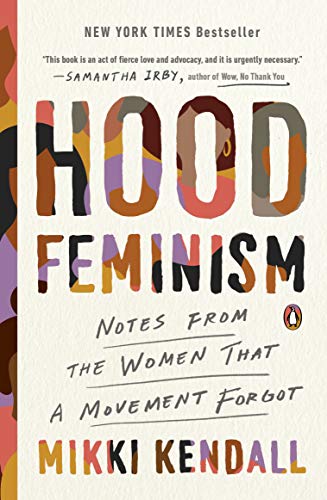
Hood Feminism
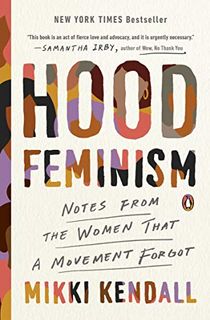
Finally, if you’re looking for a contemporary read that addresses women’s present-day struggles and objectively examines the successes and failures of various feminist movements, Mikki Kendall’s Hood Feminism, published in 2020, might offer answers.
Consisting of several essays with a sharp focus on intersectionality, Kendall’s book explores poverty, the education gap, the housing crisis, gun violence, and other issues that significantly affect women today and have been left out of mainstream feminist debates.
Overall, an engaging and essential read.
Featured image: Canva


